
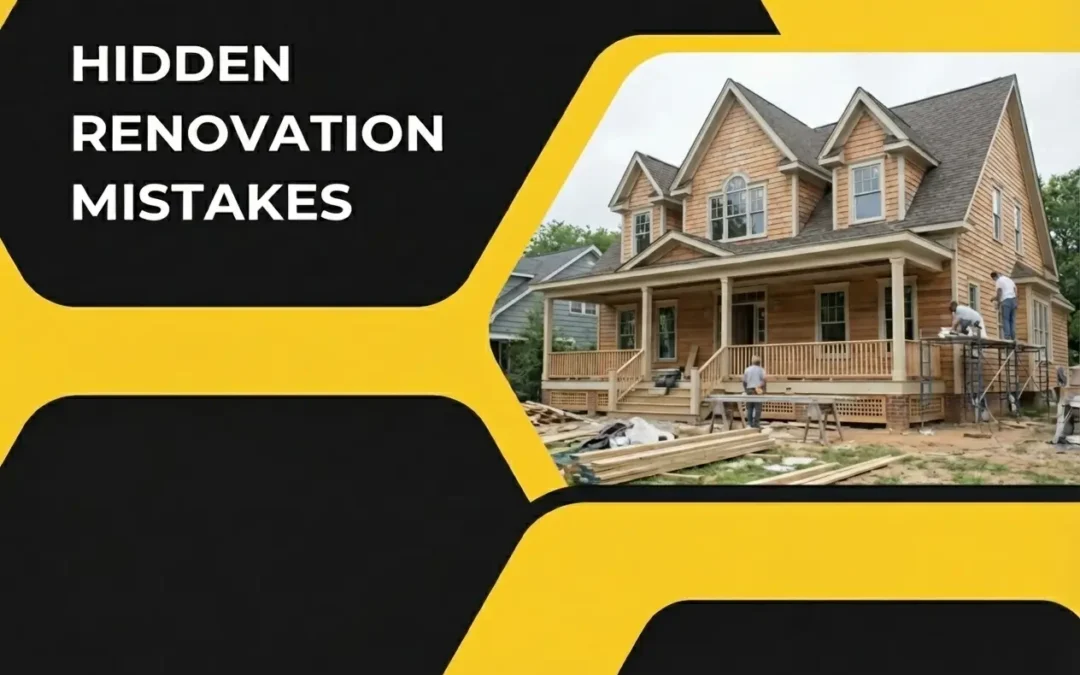
Home renovation often starts with excitement new ideas, Pinterest boards, maybe even a rough budget in mind. Yet in Raleigh and across North Carolina, many homeowners quietly make the same renovation mistakes over and over again. Most of them are not obvious at the beginning. They usually reveal themselves later, when timelines stretch, costs rise, or the final result feels disappointing.
What makes these mistakes tricky is that they rarely come from negligence. In many cases, homeowners simply don’t know what they don’t know. Local building rules, climate-specific issues, and renovation sequencing all play a role. Understanding these hidden pitfalls early can save months of stress and thousands of dollars.
Below is a practical breakdown of the most common renovation mistakes homeowners in Raleigh make and how to avoid them before they turn into expensive lessons.
Starting Renovation Without a Clear Scope of Work
One of the most frequent problems begins before any work starts. Homeowners often describe their renovation goals in broad terms. While these ideas sound clear, they are rarely specific enough for accurate planning. Without a detailed scope of work, estimates tend to change mid-project. Materials get swapped, labor expands, and timelines shift.
How to avoid it:
A renovation scope should define what is included and what is not. This usually means specifying finishes, layouts, structural changes, and even demolition boundaries. The more decisions made upfront, the fewer surprises appear later.
Choosing a Contractor Based on Price Alone
Budget matters, but choosing the lowest quote often hides deeper risks. In Raleigh, unusually low estimates may reflect missing permits, rushed labor, or low-quality materials rather than real savings. In some cases, the initial price looks attractive, but change orders later erase the difference and then some.
How to avoid it:
Compare estimates line by line, not just totals. A realistic quote explains labor, materials, permits, and timelines clearly. Transparency often signals professionalism more than price alone.
Ignoring Permits and Local Inspections
North Carolina has specific building codes, and Raleigh enforces them carefully. Skipping permits might seem like a shortcut, but it often leads to failed inspections, resale issues, or even forced tear-outs. This mistake frequently appears in bathrooms, basements, and structural updates where homeowners assume permits are optional.
How to avoid it:
Ask early which permits are required and who is responsible for pulling them. Legitimate renovation work should align with city and county inspection standards from the start.
Underestimating Raleigh’s Climate Impact on Materials
Raleigh’s humidity, seasonal temperature swings, and moisture levels affect how materials behave over time. Some renovation problems don’t show up immediately but appear months later as warping, mold, or premature wear. This is especially common in flooring, drywall, and basement renovations.
How to avoid it:
Material choices should reflect local climate realities. Moisture-resistant drywall, proper insulation, and suitable flooring products can significantly reduce long-term issues.
Planning Design Before Function
Design inspiration often comes first and that’s natural. However, prioritizing appearance without considering daily use can create frustration after the renovation is complete. Examples include insufficient storage, poor lighting placement, or layouts that look great but don’t flow well.
How to avoid it:
A renovation should support how the space is actually used. Design decisions work best when they follow functional planning rather than replace it.
Skipping a Realistic Timeline
Many homeowners assume renovation timelines based on best-case scenarios. In reality, inspections, material availability, and subcontractor scheduling all influence progress. When expectations don’t match reality, frustration builds quickly.
How to avoid it:
A realistic timeline includes buffers for inspections, approvals, and unexpected delays. Clear communication about milestones helps manage expectations on both sides.
Overlooking Long-Term Maintenance Costs
Some renovation choices look impressive initially but require higher upkeep over time. Custom finishes, specialty materials, or complex installations may add future costs that weren’t considered upfront.
How to avoid it:
Ask how materials age, how they’re maintained, and what replacement looks like long-term. A slightly simpler option often delivers better durability and lower ownership costs.
Assuming Renovation Will Automatically Increase Home Value
Not every renovation adds equal value. In Raleigh, market preferences vary by neighborhood, home type, and buyer expectations. Some upgrades improve daily comfort but don’t necessarily translate into resale value.
How to avoid it:
Separate lifestyle upgrades from value-driven renovations. Understanding which projects deliver return on investment helps align expectations with outcomes.
Poor Communication During the Project
Even well-planned renovations can struggle if communication breaks down. Unanswered questions, unclear decisions, or last-minute changes often create tension and delays.
How to avoid it:
Establish a clear communication process early. Knowing who to contact, how updates are shared, and how changes are approved keeps projects moving smoothly.
Why These Mistakes Are So Common in Raleigh
Many of these issues appear not because homeowners are careless, but because renovation involves layers of local knowledge. Building codes, climate considerations, and project sequencing all intersect in ways that aren’t obvious at first glance. Experienced renovation professionals see these patterns repeatedly often when it’s already expensive to fix them.
Final Thoughts
Renovation success rarely depends on one big decision. More often, it comes down to avoiding small, compounding mistakes that quietly shape the final outcome. By understanding these common pitfalls before work begins, homeowners in Raleigh can approach renovation with clearer expectations, better planning, and far less stress.
Ready to make your home winter-ready?
Contact DT Renovation, your trusted General Contractor in Raleigh, NC, for a free inspection and custom energy upgrade plan.
Frequently Asked Questions
How much should I plan for unexpected renovation costs?
It is often recommended to reserve 10–20% of the project budget for unforeseen issues, especially in older homes.
Are permits always required for home renovations in Raleigh?
Not always, but many structural, electrical, plumbing, and bathroom projects do require permits and inspections.
How long does a typical renovation take?
Timelines vary by scope. Small updates may take weeks, while full remodels can take several months, depending on complexity and approvals.
Can I live in my home during renovation?
In some cases, yes. However, certain projects may temporarily disrupt water, power, or access to key areas.
What should I look for in a renovation estimate?
A clear breakdown of labor, materials, permits, timeline, and responsibilities usually signals a well-prepared proposal.